The #DropTheADL is not a good-faith critique of ADL’s work. Use this guidance to understand the campaign and push back.
438 Results
Back
These logos, symbols, imagery and slogans are used by large segments of the antizionist movement, particularly in the wake of Hamas’s October 7, 2023, antisemitic terror attack on Israel. A better understanding of these symbols and slogans can help law enforcement, educators and all community members stay vigilant against attempts to intimidate and frighten. All depicted symbols and slogans should be evaluated carefully in the context in which they are used. Revealed: Antizionist Hate is…
En algunos aspectos, el verano de 2026 dio a los israelíes y judíos una sensación de alivio que había sido esquiva desde el ataque de Hamás contra Israel el 7 de octubre de 2023. Por primera vez, ya no quedaban rehenes en Gaza y un alto al fuego con Hamás trajo cierto grado de calma después de más de dos años de guerra. Aunque la posibilidad de nuevos ataques por parte de Irán siguió siendo una fuente de ansiedad, la…

IntroductionIn the classroom, educators are often looking to create spaces for discussion and learning about unfolding current events, like the ongoing Israeli-Palestinian conflict, October 7th and the subsequent Hamas-Israel War. Learning about any current events risks harmful incidents among students. However, there is also an opportunity for a meaningful and nuanced learning experience that may still cause discomfort or emotional reactions, but can create new…

IntroductionFeelings of fear, powerlessness and vulnerability are common experiences all people share whenever acts of hatred, terrorism, or mass shootings occur, and feelings are personally compounded when the events target a group with which members of the school community identify. Children and teens are not immune to these feelings, but adults can help by providing information that answers their questions, giving them opportunities to express how they feel, reassuring them that adults in…
Practical, nonlegal guidance for college and university faculty responding to antisemitism and anti-Israel bias in classroom settings.

Most acts of targeted violence don't happen without warning. Learn about the signs experts look for in someone who may be on a pathway to violence

The difference between a foiled plot and a tragedy can be just one person. Learn why it's important to speak up about concerning behaviors, and how to do it
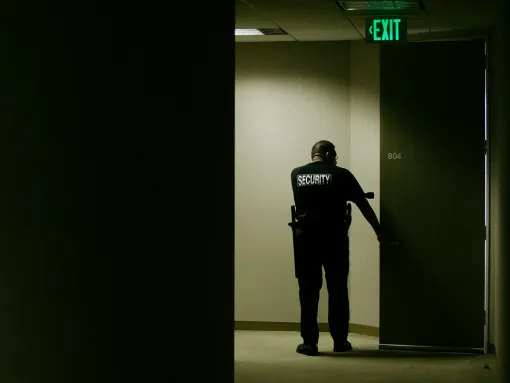
This educational resource explores categories of security measures to make sites harder to target for violence.

Each stage along the pathway reflects an escalation in thought and behavior, leading toward violence.

Learn how to recognize these attacks and how to respond to them

Behavioral Threat Assessment and Management (BTAM) is a proactive, evidence-based approach to identify, assess, and help individuals who exhibit concerning and threatening behaviors. The goal is to prevent violence before it happens by connecting individuals with appropriate support and resources. BTAM helps law enforcement understand the current threat environment and how different factors affect each community. There are several resources available on BTAM best practices, including the…
Behavioral Threat Assessment and Management (BTAM) is a systematic, evidence-based process used by schools, workplaces, and law enforcement to identify, assess, and manage individuals who may pose a threat to themselves or others. The model provides a structured way to notice warning signs, understand what they mean, and take action before anyone gets hurt. BTAM helps answer important questions like: Is this person in crisis? Are they at risk of hurting themselves or others? What support do…
BTAM helps schools, workplaces, clinicians, and law enforcement spot warning signs in persons who may be in crisis and intervene before violence occurs.
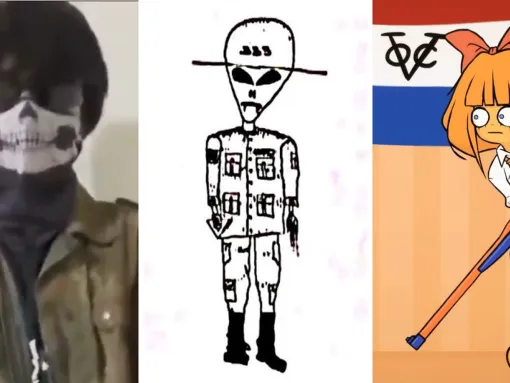
A glossary that explains some of the popular terms, references, and images used to signal transgression and belonging in online communities that glorify mass violence and extremist killings.

The form of targeted violence is driven by perpetrators primarily seeking attention, notoriety, or status within online communities, like the True Crime Community.
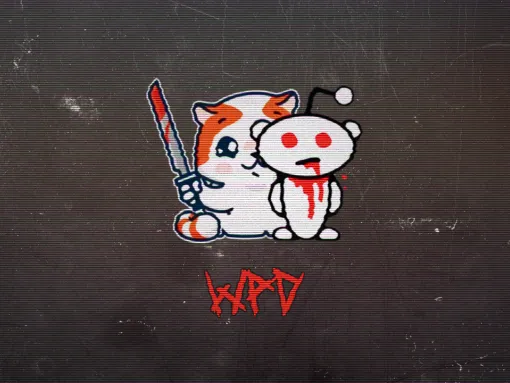
Since 2024, the ADL Center on Extremism has identified at least eight attackers who were active on this gore and violence forum prior to carrying out their acts of violence.
Recommendations for Healthcare Institutions to Address Antisemitism
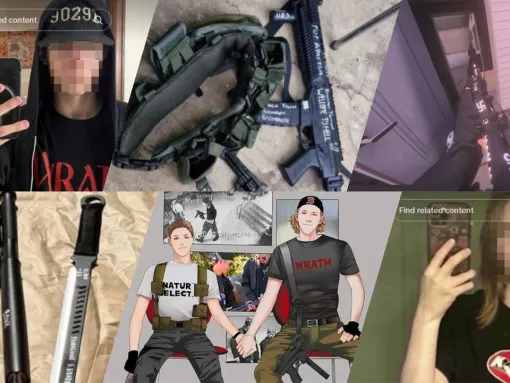
Conoce la True Crime Community (TCC), una subcultura online centrada en la fascinación y glorificación de criminales violentos y asesinos en masa.
Join the ADL Innovation Lab and partner with ADL to equip students with digital literacy skills to combat online mis- and disinformation that lead to hate.